
If the driver wrote the temperature on the runsheet, why isn't that a record?
A driver's handwriting on a runsheet is a temperature record an auditor will accept. The page still cannot tell you which numbers were written at the drop and which were written at the depot, and it cannot tell you where the gaps are until he finds them.
The short answer
It is a record. A temperature a driver writes on the runsheet at the drop is accepted at a HACCP audit, and ours were. The trouble is the stops where nothing got written, and the page gives you no way to tell a number written at the drop from one written at the depot at two o'clock with the run finished. An auditor asks for the stop that is missing. He does not ask for the eleven that are there.
What the auditor says about a handwritten number
Recording a temperature by hand on a runsheet is fine as far as the auditor is concerned. He says so. We are HACCP certified and were before any of this went into an app, and for years the record was a column on an A4 sheet, filled in by whoever was driving.
What he is looking at is the column. He runs a finger down it. Where there is a number, he moves on. Where there is a gap, he stops and asks what the temperature was at that drop, and nobody in the office can answer him.
The stop that is missing is the stop he asks about
You are relying on a driver to write it down at every single drop. Twelve drops, twelve numbers, and a phone going in his pocket at each one. If he misses one, you can guarantee that is the one the auditor will want.
It is not laziness. The customer is on the dock asking about a pallet, the next stop has a delivery window closing, the pen is in the cab. The number was on the dash at the time. Nobody looked at it and nobody wrote it down, and by the time the truck is back the reefer is off and the number is gone.
What a number on a page cannot tell you
Say every line is filled in. A neat column of 4s, top to bottom. Here is what that page does not show.
It does not show when each number was written
A 4°C reading has no time next to it, so it could be from the drop or from the cab at the end of the run. A driver who has been on the road since six and is filling in the sheet at the depot at two writes what the truck usually runs at. We have no way of knowing whether he made up a column of numbers and added them at the end. Neither does the auditor, and neither would you.
It does not show whether it was changed
A 9 written over a 4 looks like a 9.
It does not show what instrument it came from
Or whether that instrument reads true. That one is a bigger subject and gets its own post in October.
None of those things make the number wrong. They make it a number you cannot stand behind when someone who is not you asks about it.
What happens at the drop now
The driver pulls up. The reefer unit has a digital thermometer wired to a readout on the dash, so the temperature inside the box is in front of him before he opens the door. He reads it off and types it into the delivery on his phone, with the photo and the signature. The app stamps the time on the drop, and that is the same minute the temperature goes in.
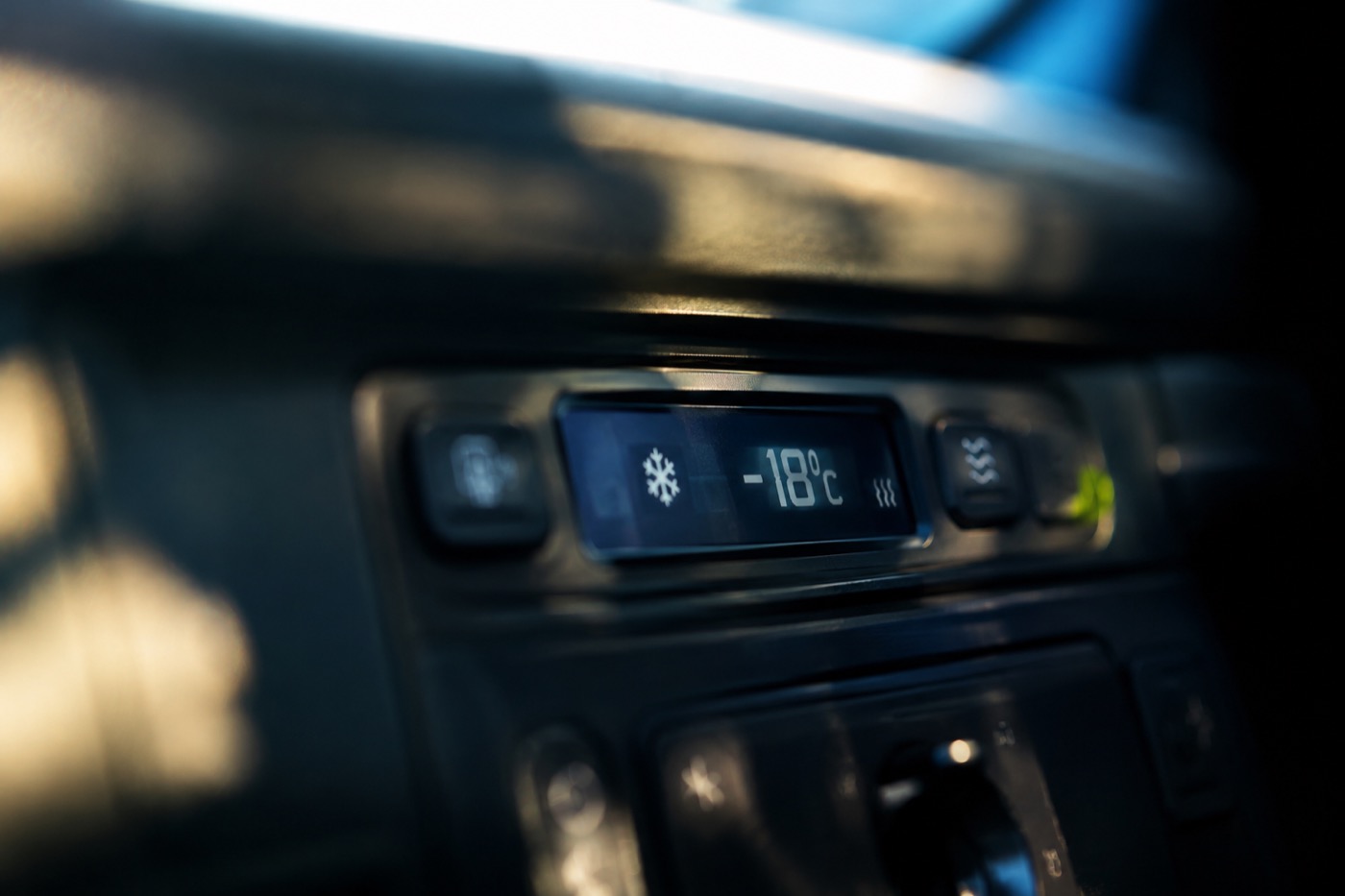
He cannot close the delivery without a temperature in it. He can put in a wrong one. Nothing stops him typing 4 when the dash says 9, and we do not pretend otherwise. What has changed is that there is no longer a blank, and there is no longer a number with no time on it. If the office wants to know what the truck was doing at drop seven, it is there, with the minute on it.
We started doing this several months ago, on our own trucks, before it was anybody else's product. The first few weeks I read every run. Now it is checked monthly, we self-audit against HACCP every quarter, and the auditor comes on site once a year. The column stopped having gaps in it.
If paper is what you have got
Most fleets our size are still on paper and a lot of them are fine. Three things make a runsheet number worth more, and none of them cost anything.
Put the time next to every temperature, in the same hand, at the drop. A number with a time is a different document from a number without one. Ask the auditor.
Read the dash before the door opens. The number you want is the box temperature at arrival, and the dash has it. Once the doors are open it is climbing, and the reading five minutes later is a different fact.
Pull three sheets a week and look for the same number all the way down. Twelve identical readings across a Brisbane summer run, doors open at every stop, is not what a truck does. That is what a pen does at the end of the day. Go and ask the driver, not to catch him, to find out which stop the pen was in the cab for.
Plan tomorrow's cold-chain runs tonight.
Start your free 30-day trialNo card required. Already have an account? Sign in.